Saul Bellow’s notion, “Warehouse of Good Intentions”.
Posted on | June 25, 2014 | No Comments
Saul Bellow’s notion, “ Warehouse of Good Intentions”.
“Saul Bellow’s notion, ‘warehouse of good intentions’. Someone occupies a place in your life, takes on some special significance – what it is, you can’t really say. But you have made a real connection – this person has come to stand for something in your life. Time goes by, you haven’t seen the party, you don’t know what has happened to him, he may even be dead for all you know, and yet you hang on to the idea of the unique importance of that individual. What a shock to discover that memories have become a stand-in for that warehoused person.”
- Janis Bellow, Saul Bellow: Collected Stories

Tags: memories > real connection > Saul Bellow > unique importance > warehouse of good intentions
I Walk In Two Worlds But Neither Is Home.
Posted on | June 15, 2014 | No Comments
I walk in two worlds though neither is home.

Janus, an Eye on the Past and Future
Google Images, 2014
My work and education are based in and on human systems and psychology. I’m drawn to both for a sense and deeper understanding about when, how, and if people connect. The energy from groups has been a positive reinforcement for me that people co-create and deliver a collective goal while empowering themselves and others. Airplanes fly, bridges get built, and communities mend themselves. No man, or woman, is an island.
The psychological aspect of my focus seeks knowledge about who connects well or not, and what the mutual impact of individuals and groups have on each other. The “camera” zooms in, a short internalized video is taken, and my reflection on the individual begins. Often, without pathologizing people in a disrespectful way, we begin to form opinions of our coworkers, community members, and family. Our view is a noetic snapshot based on a physical presentation and no two people share that same exact view. That belief is where collaboration and insight into human development gets interesting for me.
There are beautiful descriptions regarding the impact of unique contributions by individuals in Organizational Development literature. Psychology literature deals both with contributing in a meaningful way and overcoming social relationship obstacles. Passing from one pile of books to another I am struck by the heavy focus of one mindset over the other. Why do we click? Does “clicking” improve the success of a group undertaking?
My Psychology friends and colleagues tell me I’m too systems oriented to be properly respectful of the individual and my Systems friends roll their eyes. I never know when I’ve said too much about either concept to the wrong people. This walking on thin ice seems to be a pretty good place to observe the world.
Shawn M. Nichols
Tags: collaboration issues > human systems > psychology
Talking to yourself? It’s called a soliloquy..
Posted on | June 8, 2014 | No Comments
Talking to Yourself? It’s called a soliloquy..(Oxford American Dictionary).
And look what Shakespeare did with soliloquies. His and our own creative ideas are often expressed and worked out in conversations with ourselves. Silently, though more often spoken, we argue, plan, and integrate new thoughts into our lives and practices.
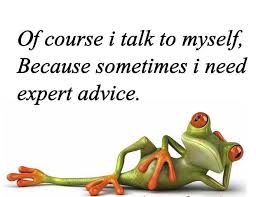
Google Images, 2014
When this is negative talk, it’s referred to as self-talk by therapists, because it may be imposing irrational and emotional trauma in an iterative process. Many PTSD sufferers report this practice. Mindfulness is one active process that helps to alleviate the “voices” of parents and demons.
When it’s positive statements however, and this is part of mindfulness and DBT training, it can be a fluid, supportive, and strategic method to implementing positive change in our lives.
Remember, Shakespeare built an eternal reputation (and got paid) to create and transcribe soliloquies. So go ahead and talk to yourself whenever you feel the need and I STRONGLY recommend having this conversation out loud. You are practicing the narrative that is part of your natural and adaptive life.
Shawn Michael Nichols
Tags: adaptive life > DBT > expert > integrate > mindfulness > narrative > natural life > PTSD. emotional trauma > reputation > self-talk > shakespeare > soliloquy > talking to self > voices
The Put-Up and Smack-Down in One Sentence. A Power Trip.
Posted on | June 6, 2014 | No Comments
The Put-Up and Smack-Down in One Sentence. A Power Trip.
Have you ever heard something like this?
I’m so surprised and happy about your (fill in success moment).
I love they way you’re doing your (hair, clothes, golf game) now!
How is your little business venture doing these days?
I worry about you because I never hear from you.
You turned out well.

Google Images 2014
Many people use these expressions of alleged admiration and concern in order to put people back in the place the speaker intends them to be – somewhere lower and less than the speaker. If you ask the speaker about this they will deny (often honestly) that that was certainly not their intention. “Honey, how can you say that? I love you!” Implication: they have the best intentions for you but you are too (dull, weak, sensitive, ignorant) to know that.
It’s a power trip. Make no mistake.
The only reasonably loving but lopsided reason I have ever heard for this type of statement is that while the speaker wants to acknowledge your success, they are afraid to burden you with the Eternal Mantle of Success. In other words, you’ll fail again (remember your last binge, sweetie-poo) but right now the speaker wants to validate your success because that makes the speaker a better person. And shows you that they are loving and attentive while praising how big you’ve grown!
Oh and in case you haven’t seen this: be mindful of people who say aggressive, hurtful things while addressing you by your nickname, which is also a bit demeaning.
Beware; you may be using these statements yourself. Ask around if anyone is still speaking to you.
Shawn M. Nichols
« go back — keep looking »Categories
Recent Posts
Meta
@DrShawnNichols
 Help Chat Online.Com
- Dealing with Death’s Vortex
- Assessing Your World View- The Sand Castle
- Enlightenment and Addiction on the Internet: Neural Receptors Ramp Up
- The Perversity of Education
- Saul Bellow’s notion, “Warehouse of Good Intentions”.
- I Walk In Two Worlds But Neither Is Home.
- Talking to yourself? It’s called a soliloquy..
- The Put-Up and Smack-Down in One Sentence. A Power Trip.
- Elegy for Future Gun Victims – We are so sorry.
- Bam Bam Style Leadership and Management